

Microwave ovens are typically used to heat and reheat food. However, there are many more tasks this versatile kitchen appliance can do.
You can use it for baking, defrosting, cooking or steaming ingredients, making popcorn, softening butter, melting chocolate, preparing beverages, and making quick meals.
You can also soften bread, ice cream and crystallized honey. Some feeding items can be steam-sanitized with equipment specifically designed for microwave use.
Let’s explore each of these uses in closer detail.
1. Heating Food
One of the main uses of a microwave oven is to heat food. It can heat suitable portions faster than a conventional oven.
To heat food, transfer the food to a microwave-safe utensil and place it inside the microwave oven.
Close the door and set the cooking time using the control panel. Switch on the microwave and wait for the food to heat.
2. Reheating
Microwave ovens are widely used to reheat leftovers. It makes it easy to use up the excess food that you store in the refrigerator.
The reheating process is the same as regular heating.
But the main benefit is that you don’t have to wait for the food to reach room temperature to reheat it.
Reheat leftovers directly from the refrigerator in a microwave-safe dish. Cover and vent as directed, stir or rotate for even heating, allow the recommended standing time, and check that leftovers reach 165°F throughout. See Clemson Extension’s microwave food-safety guidance.
3. Defrosting
Do not thaw perishable food on the countertop. The refrigerator is a safe option, though large items may need longer than overnight.
However, it’s much easier to defrost food in a microwave.
Most microwave ovens have a dedicated setting for this purpose.
Follow the microwave and food-package defrosting instructions. Cook meat and poultry immediately after microwave thawing, because parts may already have begun to warm or cook. This follows USDA’s microwave-thawing guidance.
4. Cooking
You can cook all types of food, like vegetables, meat, and fruits, in a microwave oven.
You can use this device to both cook meals from scratch or do parts of the cooking before combining them with the rest of the ingredients on the stovetop.
It’s a healthy and fast alternative to stovetop cooking. But, when cooking in a microwave, it’s important to use only microwave-safe containers or bowls for the purpose.
Follow a microwave-tested recipe or the package directions, including stirring, standing time and the required final temperature. Use a food thermometer when needed.
5. Baking
A microwave can make recipes designed for microwave cooking, such as mug cakes. It cannot replace conventional baking for every recipe unless it also has a suitable convection mode.
Use a microwave-tested recipe and its stated power and timing rather than converting every oven recipe by guesswork.
The color of cakes, muffins, and other baked goods will differ when you use a microwave oven. It lacks the characteristic brown color and stays white.
Choose recipes specifically developed for microwave cooking. A conventional microwave does not brown and crisp food like a conventional oven.
6. Steaming
It’s easy to steam vegetables and meat for different recipes in a microwave oven.
A small amount of water and a vented microwave-safe cover can help steam suitable foods without submerging them.
Follow a microwave-steaming recipe for the water amount, power, time and standing period. Open the cover away from your face to avoid steam burns.
Since steaming in the microwave takes less time compared to stovetop cooking, adjust the cooking time accordingly.
7. Making Popcorn
Some microwave ovens have a popcorn setting, but the package may specify different controls. A preset does not guarantee that every bag will cook correctly.
To make popcorn in a microwave oven, place the bag of kernels inside the chamber.
Follow the popcorn package, including whether it allows the popcorn button. Stop at its stated popping interval and stay nearby; do not keep heating unpopped kernels.
Let the popcorn remain inside the oven for a few minutes after it switches off before taking it out.
8. Softening Butter
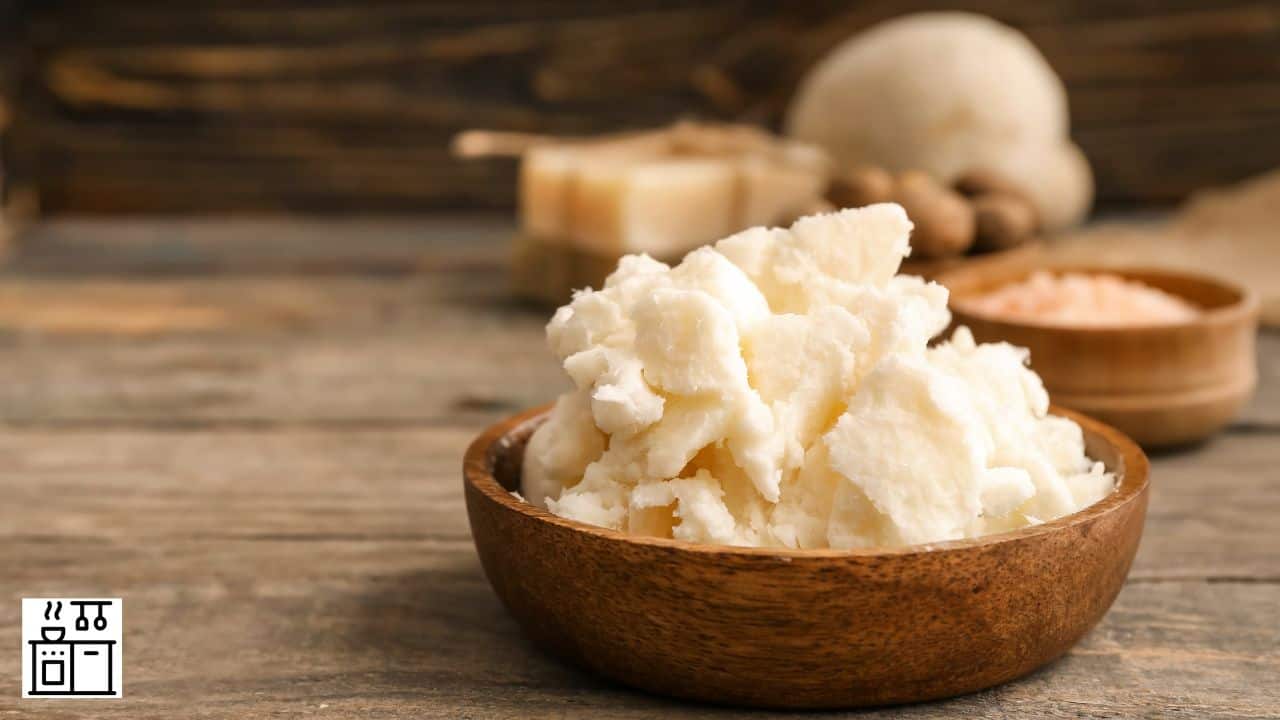
The butter kept in the fridge becomes hard. It’s not easy to spread immediately. You can quickly soften it in the microwave.
However, you should be careful about the time setting. The intense heat of the microwave will speed up the melting process, and you can end up with a liquid.
It can also be super-hot and prone to splattering. To prevent this from happening, operate the microwave oven in short bursts. Open the door and stir the butter in between.
9. Melting Chocolate
Just like softening butter, you can also melt chocolate in the microwave oven.
Place the chocolate in a microwave-safe dish inside the chamber. Then, operate the microwave in bursts.
Open the door and stir the chocolate in between. This will improve the texture of the melted chocolate and prevent it from burning and drying out.
10. Preparing Beverages
If your morning tea or coffee has gone cold, you can quickly reheat it in the microwave oven.
Alternatively, you can mix all the ingredients for your beverage and heat it inside the microwave oven.
Take care to place it inside a microwave-safe dish. Also, remember that liquids heated in a microwave are prone to superheating.
When this happens, there may be no bubbles in the liquid. However, it may be very hot and splatter when suddenly agitated. This is very dangerous.
Follow the microwave’s liquid-heating instructions and do not exceed the recommended time. Let the container stand before moving it; do not rely on an added utensil to prevent superheating. FDA’s microwave safety guidance explains the risk of eruptions from overheated water.
11. Making Quick Meals
You can easily make microwave meals in a microwave oven, like microwaveable dinners and pre-packaged meals.
You can also use it to cook instant noodles or oatmeal.
Hence, a microwave oven can provide a convenient solution for busy individuals or those lacking extensive cooking skills.
12. Steam-Sanitize Compatible Feeding Items
Some infant feeding items can be steam-sanitized in a microwave using a compatible sterilizer or steam bag. Do not microwave arbitrary toys or household items.
CDC’s infant-feeding hygiene guidance explains cleaning and sanitizing. Clean the items first, then follow both the item’s and the microwave sterilizer’s instructions for water, wattage, timing and cooling.
USDA’s sponge-cleaning guidance warns that microwaving a sponge does not reliably make it safe from cross-contamination. Replace worn or dirty sponges regularly and use a clean cloth or paper towel for contaminated surfaces.
Do not use a one-minute vinegar or lemon-juice microwave treatment as a sterilization method.
13. Rehydrate Dry Bread
A brief microwave treatment can soften stale bread temporarily. It does not reverse spoilage, and the bread may harden again as it cools.
For a brief softening treatment, follow a microwave-tested method using a microwave-safe cover or plain paper towel allowed by the appliance instructions.
Check the bread after a short interval and stop before it dries out or overheats. Heating does not make moldy or spoiled bread safe to eat.
14. Soften Ice Cream
Ice cream can sometimes end up hard and difficult to scoop. To make it easy to scoop out of the container, just run it in the microwave for a few seconds.
It should soften it just enough to remove with a scoop.
However, make sure that the container is microwave-safe before doing so.
15. Soften Honey
Honey crystallizes and thickens in cold weather. To restore it to its original consistency, transfer the honey to a bowl.
Use a microwave-safe bowl and short, gentle heating intervals, stirring between them. Stop when the crystals dissolve, and handle the hot honey carefully.
