
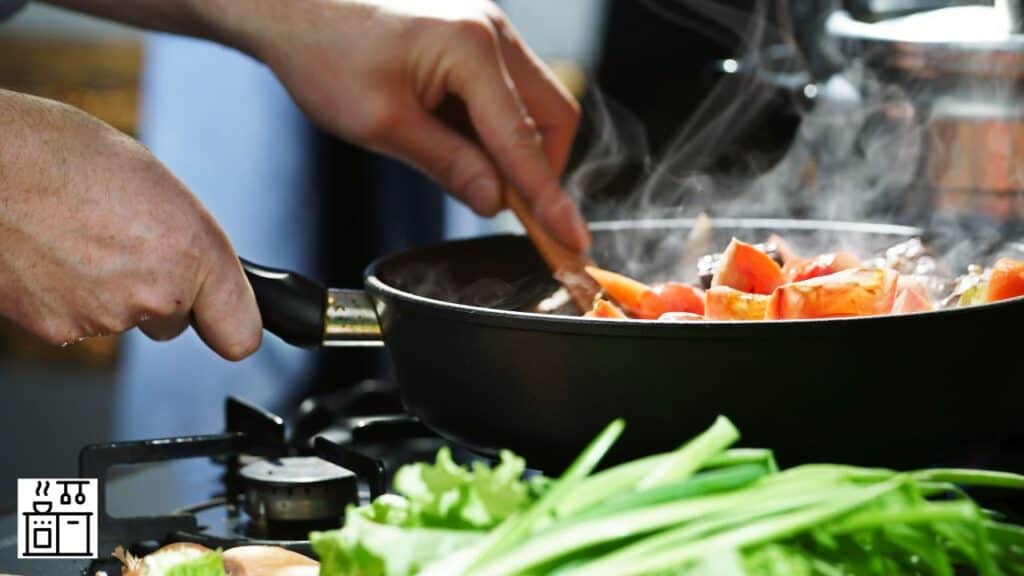
A well-stocked kitchen and pantry facilitate healthy meal planning and eating.
By constantly keeping a few essential cooking items handy, you will find it easy to whip up a meal anytime.
But what cooking ingredients should always be available in your house?
Let’s find out.
- 1. Potatoes
- 2. Sweet Potatoes
- 3. Onions
- 4. Tomatoes
- 5. Peppers
- 6. Corn
- 7. Cucumbers
- 8. Squash
- 9. Fresh Fruits
- 10. Apples
- 11. Lemons
- 12. Tortillas
- 13. Cornbread
- 14. Cheese Sticks
- 15. Mozzarella Sticks
- 16. Cheese Curd
- 17. Bread
- 18. Cake Mix
- 19. Eggs
- 20. Oil, Butter, and Other Cooking Fats
- 21. Sauces and Condiments
- 22. Herbs and Spices
- 23. Yogurt
- 24. Lentils and Legumes
- 25. Pasta
- 26. Rice
1. Potatoes
Whole, raw potatoes can be stored outside the refrigerator in a cool, dry, dark place with good air circulation.
You can make French Fries, soups, hash browns, potato mash, and much more with potatoes. They are also abundantly available throughout the year.
Depending on your taste preferences, you can choose between different types of potatoes like russets, Yukon Gold, baby potatoes, Kennebec, German Butterball, and others.
Whole, mature potatoes can last for several weeks if you store them in a cool, dry, dark place with good air circulation. Use freshly harvested new potatoes sooner.
2. Sweet Potatoes
Sweet potatoes are another summer vegetable that holds up for a long time.
They are very versatile, and you can use them to make different dishes, including chips to mash.
Orange-fleshed sweet potatoes are rich in beta-carotene.
You can store sweet potatoes at room temperature in the pantry for several days.
Just ensure they are kept in a cool and dry space with plenty of air circulation.
3. Onions
Onions form the base of several recipes for cuisines from all over the world. So, they are an essential part of any pantry.
Whole, cured storage onions can keep for several weeks in a cool, dry place with good airflow. Sweet onions have different storage needs, and refrigeration can help them keep longer.
There are different varieties of onions, like white onions, yellow onions, and sweet onions. Pungent onion varieties last longer than sweet onions.
Keep peeled or cut onions in a sealed container in the refrigerator at 40°F (4°C) or below. Use them within seven days, and follow the storage guidance for prepared onions.
If you use packaged fried-onion toppings, follow the label’s storage instructions. Home-cooked fried onions are leftovers, so refrigerate them within two hours, or within one hour if the air temperature is above 90°F (32°C), and use them within three to four days.
4. Tomatoes
Like onions, tomatoes are another essential ingredient for the base of various recipes.
Let whole tomatoes ripen at room temperature, away from direct sunlight. Refrigerating ripe tomatoes can slow softening, although it may reduce their flavor. Once you cut tomatoes, refrigerate them promptly at 40°F (4°C) or below.
Different varieties of tomatoes are good for different recipes.
Apart from the commonly available Roma and beefsteak tomatoes, there are cherry, blueberry, grape, and other tomatoes.
Canned tomatoes are the next best option to fresh tomatoes.
Store unopened, shelf-stable commercially canned tomatoes in a cool, dry place, and refrigerate them after opening. Follow the label’s storage instructions. If you can tomatoes at home, follow a tested USDA or NCHFP method, including the specified acidification and processing steps.
5. Peppers
If you regularly make Mexican food, you should always stock up on peppers. These are an essential part of dishes like salsa.
Peppers include bell peppers, jalapeño peppers, and Tabasco peppers.
Some varieties are sweet, while others are very hot and pungent.
They also come in different colors, like yellow, red, and green, depending on the variety and how ripe they are.
6. Corn
Corn is a versatile cooking ingredient. You can use it in a main dish or as an ingredient for various side dishes.
Corn on the cob forms a quick and delicious snack that you can make in mere minutes. However, it has a definite shelf life.
If you want to enjoy corn all year, it’s better to use the frozen variety.
After steaming or boiling corn, refrigerate it promptly in a shallow, covered container at 40°F (4°C) or below. Put it away within 2 hours of cooking, or within 1 hour if the air temperature is above 90°F (32°C).
Follow USDA’s guidance for cooked leftovers: use the corn within 3 to 4 days, or freeze it for longer storage.
7. Cucumbers
With cucumbers, you can easily whip up a salsa or salad in no time. These vegetables are full of moisture, and hence a hydrating snack.
They don’t hold up for too long at room temperature.
These vegetables will also dry out if you do not refrigerate them properly.
So it is better to keep just a few cucumbers in stock and use them up quickly.
8. Squash
Butternut squash and pumpkins are useful ingredients for hearty home-cooked recipes.
Most of these vegetables are large. So you can chop them and refrigerate or freeze the excess.
You can use them in many recipes, and a single big squash or pumpkin will yield multiple servings.
9. Fresh Fruits
Fresh fruits like strawberries, kiwis, and oranges form healthy snacks. They are affordable when you choose fruits that are in season.
Different fruits have different storage needs. Refrigerate perishable fruits such as strawberries, but let whole peaches and Bartlett pears ripen at room temperature before refrigerating them.
10. Apples
Apples are some of the most versatile fruits that you can use for snacking, cooking, and even baking.
There are different apple varieties, each suitable for different needs and with different flavor profiles.
Varieties like the Granny Smith are sour and good for pies. Meanwhile, sweet varieties like Pink Lady and Honeycrisp are perfect for snacking.
11. Lemons
Lemons and limes are citrus fruits that find a lot of use in the kitchen. You can use them to make juices, salad dressings, cakes, and much more.
Fresh lemons can stay out at room temperature for a few days.
You should wrap them properly when storing in the fridge, where they store longer, but tend to dry out.
12. Tortillas
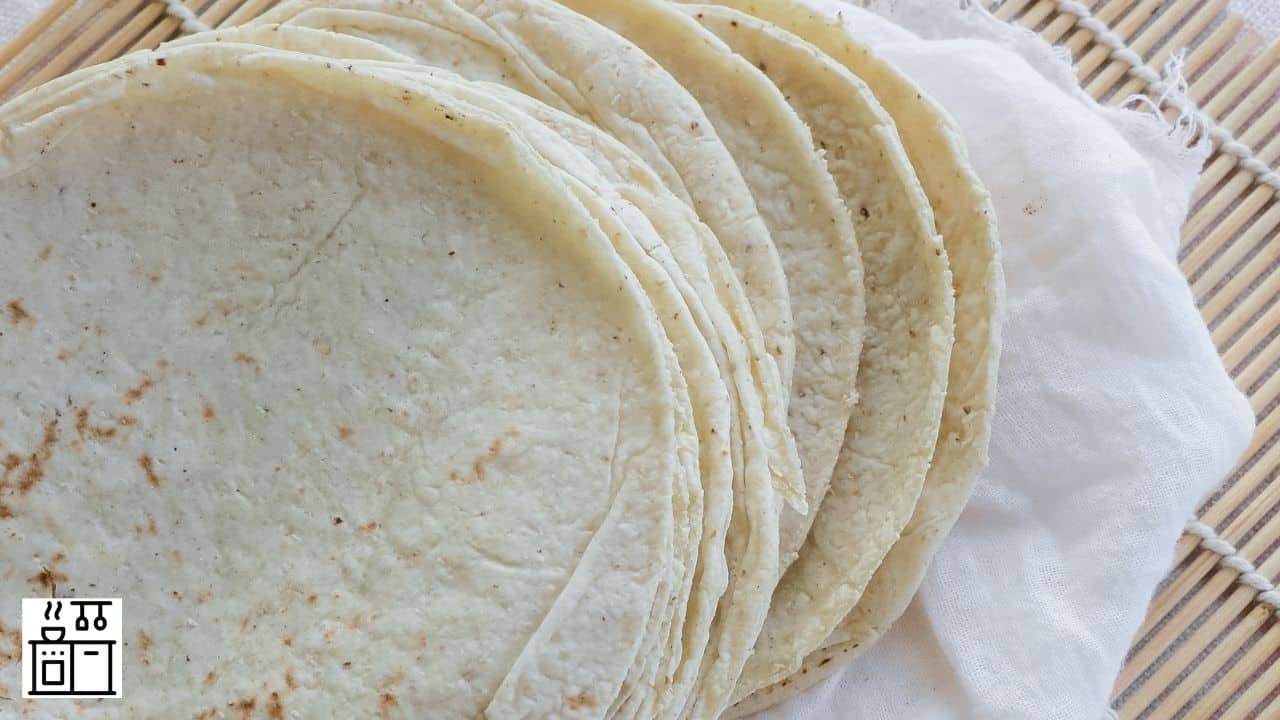
Tortillas are thin, round Mexican flatbreads commonly made from maize or wheat flour.
They are a useful side dish for vegetable and meat-based gravies and curries, and you can wrap them around fillings.
You can use them as a wrap or instead of bread.
Store-bought tortillas are convenient when you need to make a quick meal. Their storage life depends on the product, so follow the package directions before and after opening, including any refrigeration instructions.
13. Cornbread
Cornbread can either be made at home or bought from a store. You can enjoy it on its own.
You can also pair cornbread with butter, onions, honey, cheese, soup, chili, or other items on the side.
It’s an item that you can enjoy at any time of the day.
How long cornbread keeps depends on the recipe, packaging, and storage conditions. Follow the recipe’s storage instructions for homemade cornbread and the package directions for store-bought versions, including any refrigeration or freezing instructions.
14. Cheese Sticks
Cheese sticks are a quick snacking option. For varieties that need refrigeration, keep them at 40°F (4°C) or below. When taking them with you, pack them in an insulated lunch bag with at least two cold sources to keep them cold.
They are perfect for lunchboxes and snack boxes. These are usually made of mozzarella cheese.
But you can find cheese sticks made with other varieties of cheese too.
15. Mozzarella Sticks
Mozzarella sticks are elongated pieces of mozzarella that are usually coated in breading. They are a convenient and heavy snack.
You can prepare them at home by deep-frying mozzarella cheese in a bread-based batter.
The other option is to buy frozen mozzarella sticks and fry them to enjoy it as a snack or meal.
16. Cheese Curd
Cheese curds are chunks of moist, curdled milk. They are good for snacking. You can also use them to prepare various cheese-based recipes.
Cheddar curds are fresh, unaged cheese, but curds can also come from other cheese varieties. They don’t hold up for too long without refrigeration.
Keep cheese curds refrigerated at 40°F (4°C) or below. Their storage life depends on the product and packaging, so follow the package directions, including any instructions for using them after opening.
17. Bread
Bread is a versatile pantry ingredient. You can eat it as such, toast it, or make it into a sandwich.
Bread can also be used to prepare breadcrumbs or croutons for soups and batters. It can be store-bought or homemade.
Apart from using different types of grains to make bread, it can also contain ingredients like zucchini, banana, carrots, or nuts.
18. Cake Mix
A ready-made cake mix can make baking easier because some of the ingredients are already measured and combined.
The ingredients you need to add depend on the mix. Follow the instructions on the box for the amounts to use and the mixing and baking steps.
It makes the entire task easy and enjoyable.
19. Eggs
Eggs are another kitchen staple that will help you whip up a quick side dish or even the main meal. Keep fresh shell eggs in their original carton in the refrigerator at 40°F (4°C) or below.
It’s essential for many recipes like cakes, pie bases, muffins, and more.
You can also enjoy eggs in multiple ways; boiled, poached, steamed, cooked, or fried.
20. Oil, Butter, and Other Cooking Fats
Oil, butter, and other cooking fats are useful ingredients in many recipes.
Cooking fats are used in stir-fries, many cakes, and deep-fried dishes. The type and amount you need depend on the recipe.
Different types of oils are available, like coconut oil, vegetable oil, canola oil, and corn oil.
Each has a different smoking point and properties. They can also be cold-pressed or refined, which affects their utility.
21. Sauces and Condiments
Sauces and condiments make it easy to create flavorful recipes.
While it may be impossible to stock up on all types of sauces and condiments, having a few in your pantry will improve your culinary efforts drastically.
Hot sauce, tahini, salsa, ketchup, tomato sauce, mustard, nutritional yeast, and honey are useful kitchen staples. Follow each product’s label for storage before and after opening, since some sauces and condiments need refrigeration.
22. Herbs and Spices
Herbs and spices are essential ingredients for flavorful recipes. While fresh herbs have a finite life, dried herbs, and spices last for a long time.
Some of the commonly used herbs and spices include turmeric, cayenne, white pepper, black pepper, oregano, cinnamon, cumin, and rosemary.
23. Yogurt
Yogurt is a versatile kitchen ingredient. You can make it at home with milk and a yogurt starter culture, following complete preparation instructions. After it has set, refrigerate homemade yogurt promptly. Keep it and yogurt sold refrigerated at 40°F (4°C) or below. For products labeled shelf-stable, follow the package storage directions before and after opening.
You can also use the storebought varieties.
Different varieties like full-fat, skimmed, and medium-fat, apart from plant-based yogurts, are available.
Check the label if you want yogurt that contains live and active cultures. Some dairy yogurts are treated after culturing, so they no longer contain live cultures.
24. Lentils and Legumes
Dried lentils and other dried legumes are useful pantry ingredients that you can use in soups, stews, and other meals.
Dried lentils and split peas do not need soaking before cooking. For other dried legumes, follow preparation instructions for that type, including any soaking and boiling steps. Beans, peas, and lentils can add protein to meals.
25. Pasta
Readymade pasta is easy to cook. It’s a good option for hectic days when you don’t want to spend a lot of time cooking.
Pasta boils quickly and works with a variety of sauces and ingredients to form wholesome meals.
There are different varieties like macaroni, fettuccine, ravioli, penne, and fusilli available.
26. Rice
Rice is a culinary staple in many cuisines around the world. You have both short-grain and long-grain, as well as white and brown rice varieties.
Rice forms the perfect side dish for both meat and vegetable-based main courses.
It’s easy to make on the stovetop. But if you use it all the time, the easiest way to prepare rice is in a rice cooker.
